Cultivating a Passion for Wildlife in Nanyuki
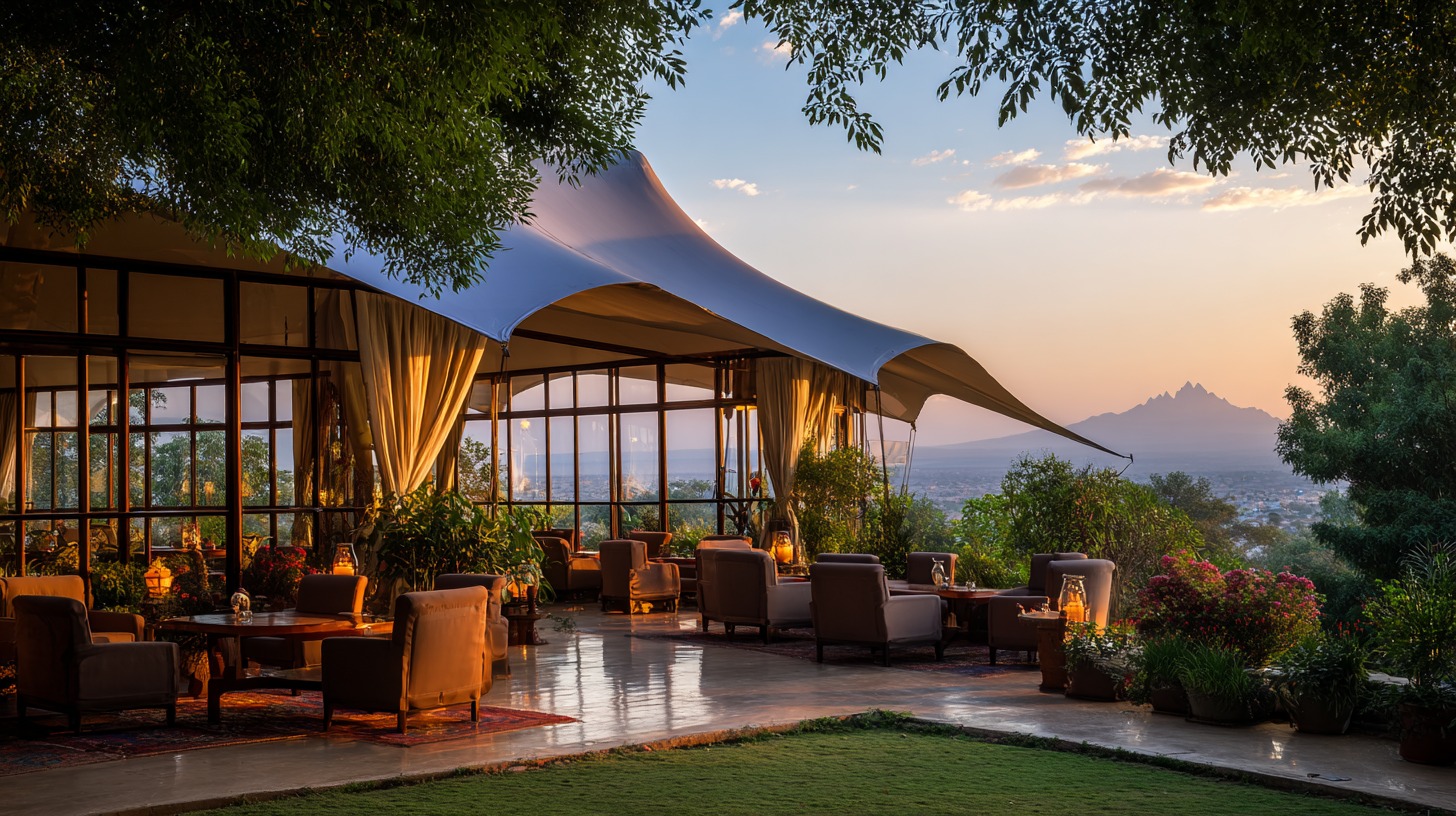
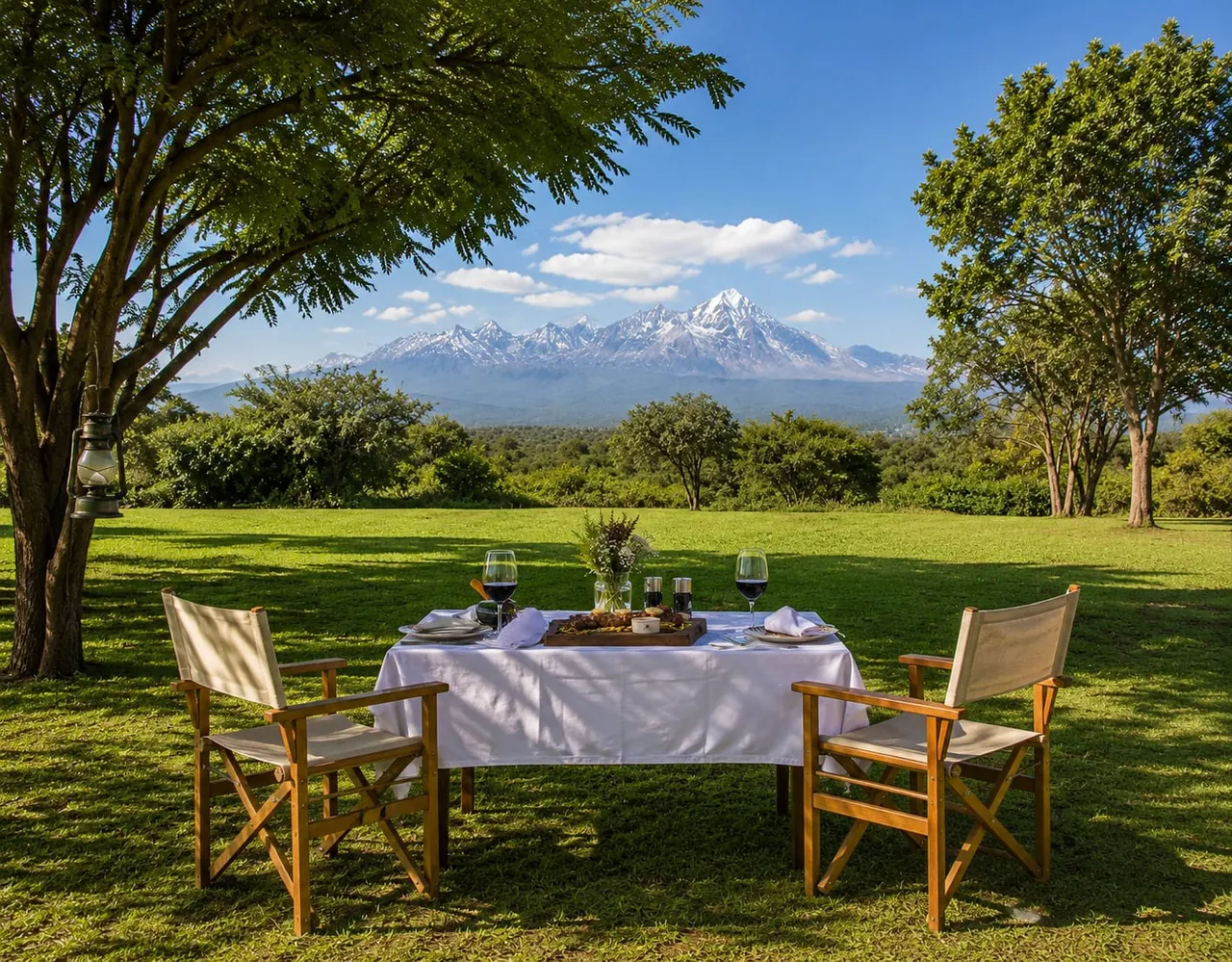
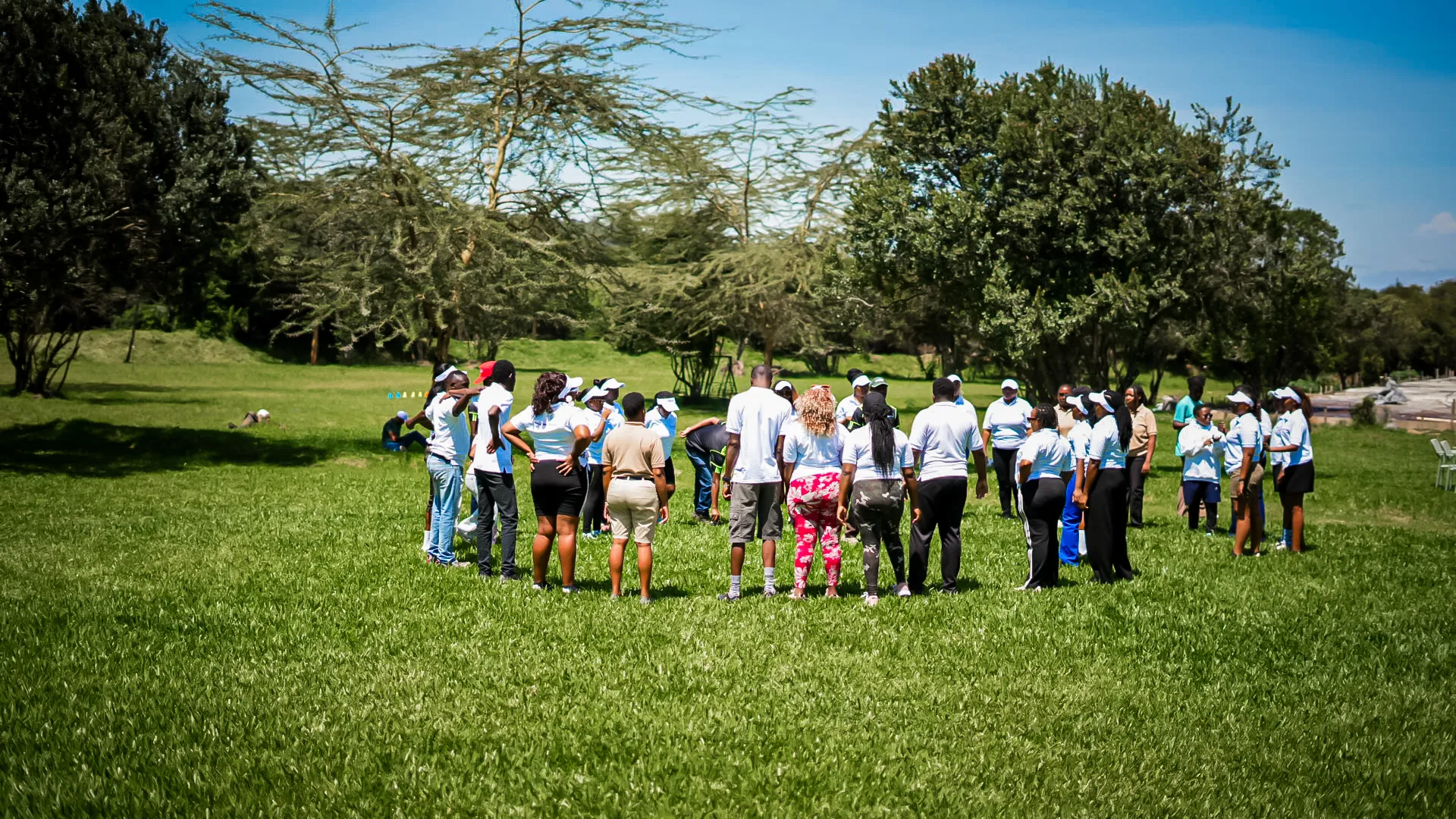
Wildlife education programs Nanyuki offers at Mtalii Bush Camps are designed to foster a deep appreciation and understanding of the natural world, set against the breathtaking backdrop of Mount Kenya. Our immersive programs go beyond classroom learning, bringing participants face-to-face with the incredible biodiversity of the Laikipia region. We believe in hands-on experiences that connect individuals with conservation efforts, inspiring a lifelong commitment to protecting our planet's precious wildlife. Whether you're a student, educator, or simply a curious traveler, our programs provide invaluable insights into the lives of animals and the importance of their habitats.
Comprehensive Wildlife Education Initiatives at Mtalii Bush Camps
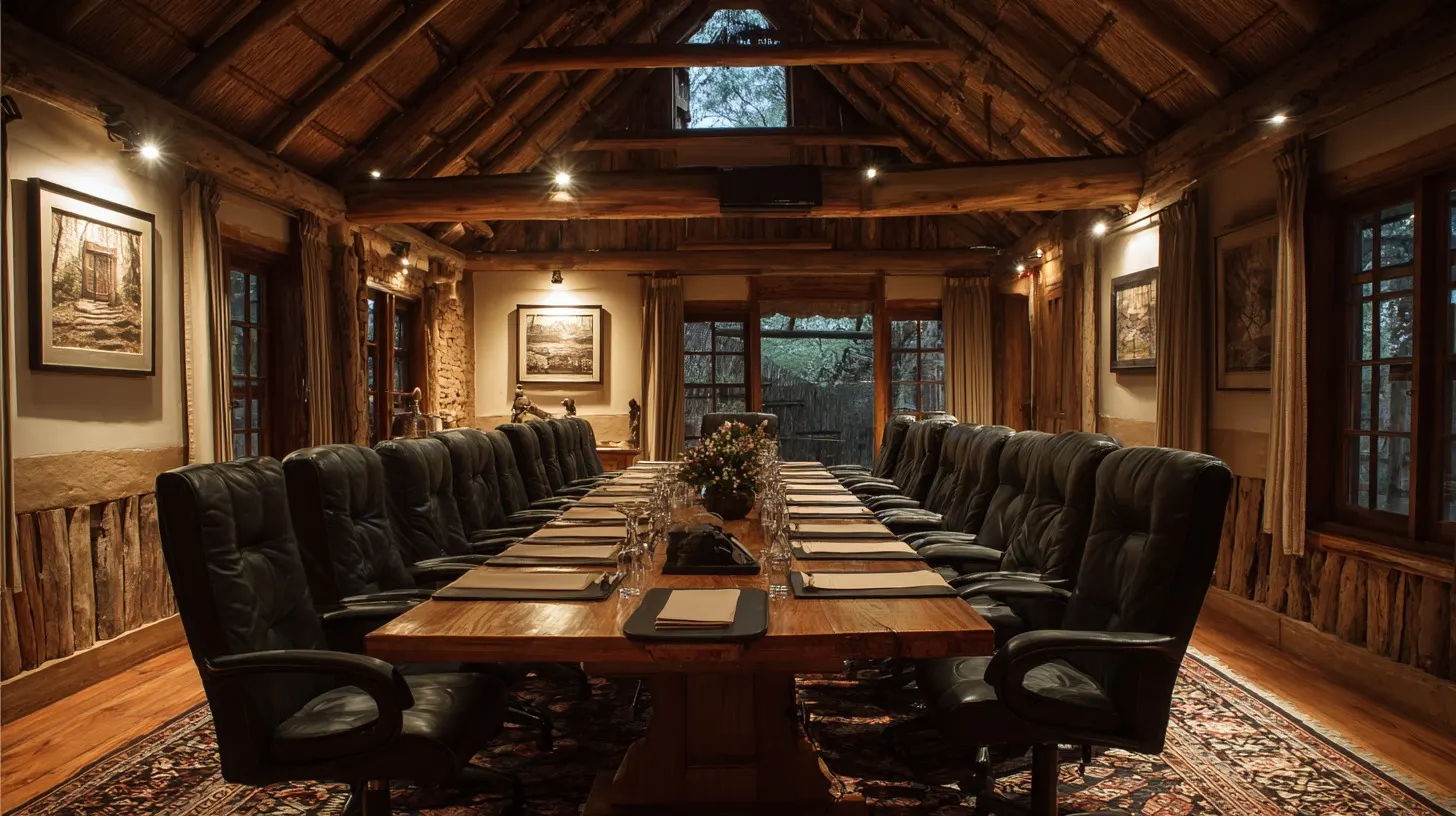
Mtalii Bush Camps is dedicated to providing robust wildlife education programs Nanyuki trusts for its authenticity and impact. Our curriculum is developed in collaboration with conservation experts and educators, focusing on key areas such as wildlife behavior, habitat conservation, anti-poaching efforts, and the delicate balance of ecosystems. Participants engage in guided nature walks, bushcraft workshops, and interactive sessions with our resident naturalists. We leverage our proximity to renowned sanctuaries like Ol Pejeta Conservancy and Lewa Wildlife Conservancy to offer practical, real-world examples of conservation in action. These programs aim to equip individuals with knowledge and inspire them to become advocates for wildlife protection.
Experiencing Nanyuki's Wildlife: Activities & Learning Opportunities
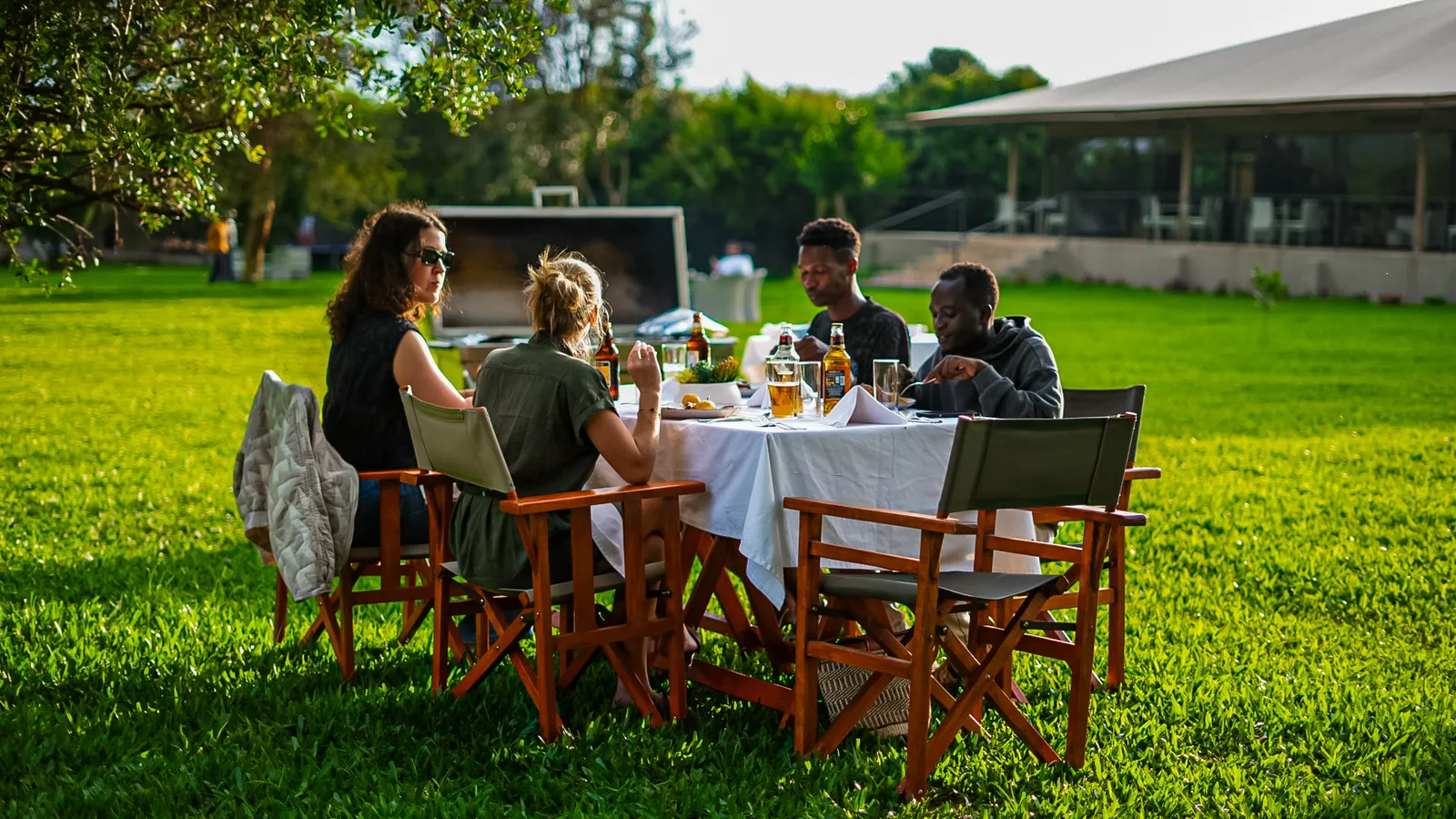
Our wildlife education programs Nanyuki residents and visitors can enjoy are multifaceted. Mornings might involve tracking animals on foot with experienced rangers, learning to identify tracks and signs. Afternoons could be dedicated to birdwatching excursions, discovering the avian diversity of the region, or participating in interactive discussions about conservation challenges. Mtalii Bush Camps also offers opportunities to learn about sustainable practices within our own eco-friendly setting, including our farm-to-table approach to dining. Evenings can be spent stargazing, learning about celestial navigation and the nocturnal world, further enriching the educational experience.
Program Details, Costs, and Booking for Nanyuki Wildlife Education
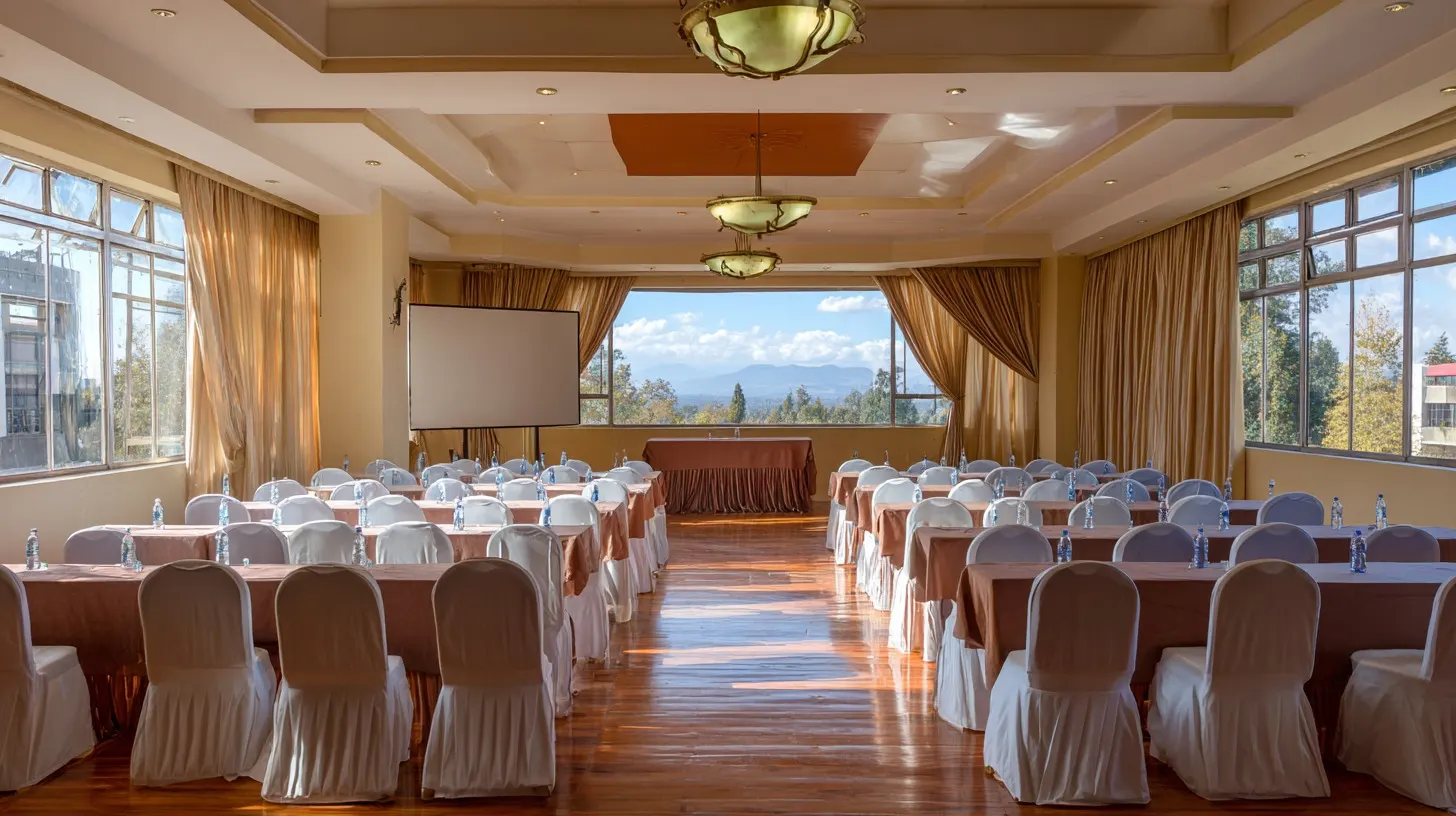
The cost for our wildlife education programs Nanyuki offers can vary depending on the duration and specific components of the program. A typical 3-day educational safari package, including accommodation, meals, guided activities, and educational materials, might range from $450 to $750 USD per person. We offer custom packages for schools and groups. To learn more about specific program outlines, available dates, and exact pricing, please reach out to our reservations team at reservations@mtaliibushcamps.com or call us at +254 718 045 869. Early booking is recommended to secure your place in these enriching programs.
.jpg)
.jpg)
.jpg)